101 Seafood Buffet
A plain guide to the 101 seafood buffet idea: how an all-you-can-eat seafood table is set up, what to put on it, and how to eat well without waste.
Contents
- What a 101 seafood buffet means
- Building the buffet menu in layers
- Keeping seafood cold and hot safely
- Portion planning without waste
- Labeling dishes and handling allergies
- Serving and eating well at the table
- Adapting the format to your setting
- Questions About the 101 Seafood Buffet
- What is a 101 seafood buffet?
- How do you keep seafood safe on a buffet?
- What should go on an all-you-can-eat seafood table?
- How much seafood should you plan per guest?
- Can guests with a shellfish allergy eat at a seafood buffet?
- Do you need a caterer to run a seafood buffet?
A 101 seafood buffet is a self-serve spread built around seafood, where guests take as much as they like from trays and platters set out along a counter. The format works on a simple idea: plan the buffet as a menu of contrasting seafood dishes, then let each guest build a plate to their own taste. Good buffets are judged by how the seafood is handled, not by how much sits on the table.
- Plan an all-you-can-eat seafood buffet as a menu of contrasts: something cold, something hot, something crisp, something rich.
- Cook seafood in small batches and refill often, so trays stay fresh instead of sitting warm for hours.
- Hold cold seafood on ice and keep hot dishes above a safe holding temperature, checking with a probe thermometer.
- Label each dish with its name and main ingredients, so guests can avoid shellfish or other items they must not eat.
- Offer plain grilled or poached options next to seasoned dishes, so guests can choose a lighter plate.
What a 101 seafood buffet means
A 101 seafood buffet is a starting-level seafood spread, the kind of table you build when you want variety without a formal plated menu. The number in the name reads as an introduction, so the idea fits a first attempt at a seafood buffet at home or in a small venue. The spread is self-serve, with platters and trays set out in a line so guests move along and choose.
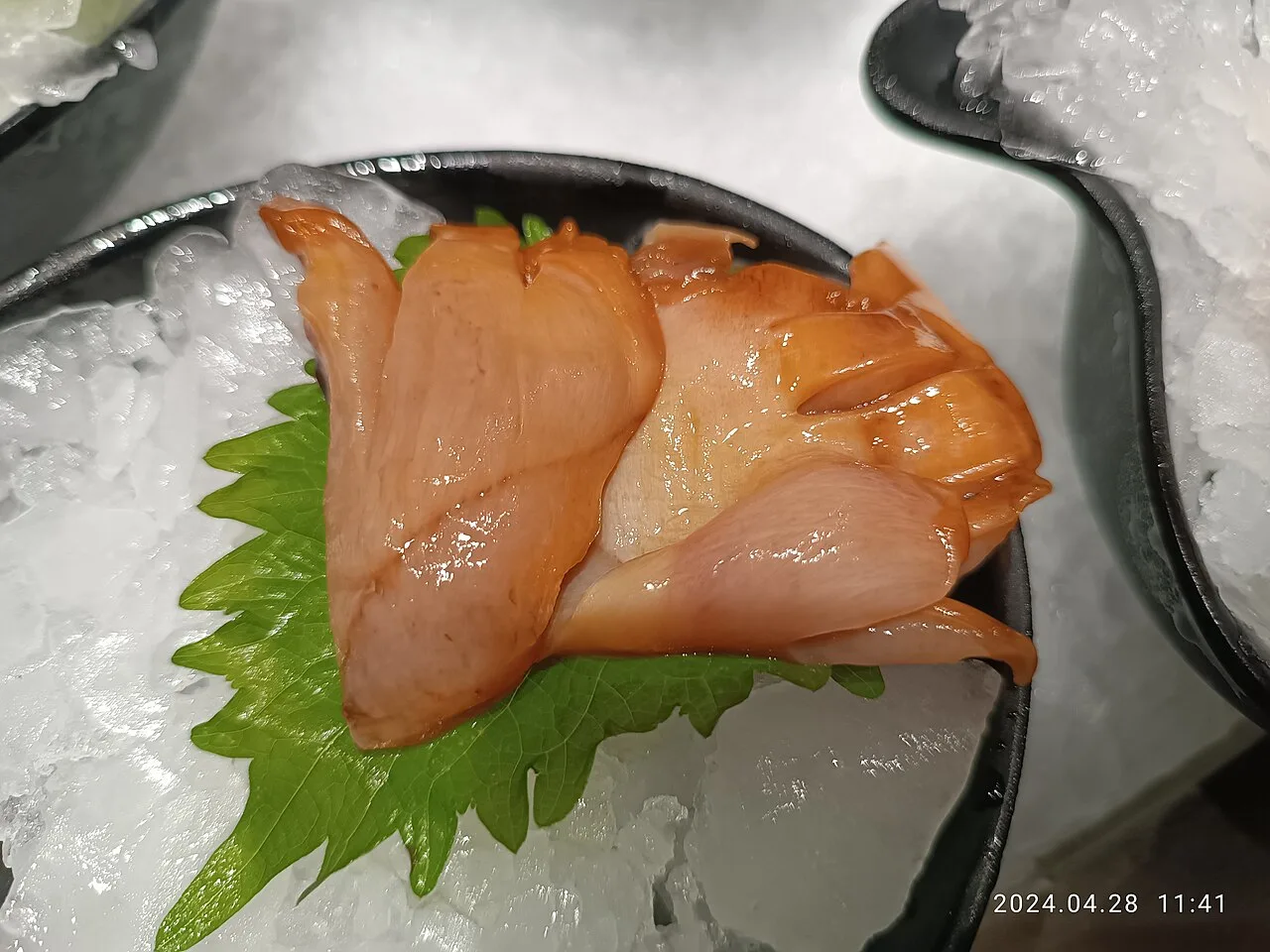
The format suits seafood because the ingredient comes in many sizes and textures, from shrimp and mussels to whole fish and fillets. A buffet menu can mix raw-bar style items, cooked cold dishes, hot trays and simple sides in one setting. Guests serve themselves, so each person controls the portion and the combination on the plate.
Running a seafood buffet well takes planning around temperature and timing more than cooking skill. Seafood spoils faster than many other foods, so the table needs cold holding, hot holding and a clear plan for refilling trays. A buffet that looks generous but sits out too long is a poor buffet, however good the cooking.
Building the buffet menu in layers
A balanced seafood buffet menu is built in layers, and each layer has a job on the table. Start with cold seafood, add hot seafood trays, then fill in starch, vegetables and sauces so plates do not become all protein. The aim is contrast: crisp next to soft, cold next to hot, plain next to seasoned.
Cold items open the meal and can be plated ahead, which eases the pressure once guests arrive. Shrimp cocktail, chilled mussels, smoked fish and a simple crab or seafood salad all work in this layer. Keep cold dishes on ice or in a chilled unit until the moment they go out.
Hot trays carry the main weight of the buffet and should include at least one plain option. Grilled fish, steamed shellfish, seafood stew and a baked dish give guests different textures and levels of richness. Starchy sides such as rice, potatoes or bread soak up sauces and stretch the spread.
- Cold layer: chilled shrimp, smoked fish, seafood salad
- Hot layer: grilled fillets, steamed shellfish, seafood stew
- Crisp layer: slaw, pickled vegetables, toasted bread
- Rich layer: butter sauces, aioli, baked seafood gratin
- Plain layer: poached fish and steamed rice for lighter plates
Keeping seafood cold and hot safely
Seafood safety on a buffet depends on temperature control, and that control has to be checked rather than assumed. Cold seafood belongs on ice or in a chilled display, and hot seafood belongs in a holding tray kept above a safe holding temperature. A probe thermometer tells you the real temperature of the food, not the air around it.
Small batches protect quality better than one large mountain of food. Set out a modest amount, then refill from the kitchen as trays empty, so nothing sits out longer than it should. Used serving spoons and tongs should be replaced when they fall into a dish or drop on the floor.
Guests need a clean plate for each trip, and the buffet needs a clear separation between raw items and cooked ones. Raw shellfish or ceviche set next to cooked trays invites cross-contact, so give raw-bar items their own section and their own utensils. Anyone handling the buffet should wash hands and keep hair and hands away from the food.
Portion planning without waste
Portion planning keeps a seafood buffet affordable, because seafood costs more per plate than most buffet staples. Estimate a modest serving of each seafood dish per guest and let the sides carry volume, since rice, bread and vegetables cost less. A buffet does not need every dish to be seafood to feel like a seafood buffet.
An all-you-can-eat format encourages guests to take more than they finish, so smaller plates and smaller serving spoons help. Refill in batches rather than topping up a half-empty tray, which keeps the food fresher and the display neater. Track what comes back untouched and adjust the next menu toward those dishes.
Leftover seafood that has sat on a buffet should not be returned to storage for another service. Plan the buy so the last refill is close to the end of the meal, and keep a reserve in the kitchen rather than on the table. A tighter, well-timed spread wastes less than a wide one that no one finishes.
Labeling dishes and handling allergies
Clear labels are part of running a seafood buffet, because guests need to know what is in each dish before they serve themselves. Shellfish is a major allergen, and crustaceans and mollusks are listed separately in many labeling systems. A small card with the dish name and main ingredients answers the question before it is asked.
Separate utensils for each dish reduce the chance of one food touching another. A guest avoiding shellfish should be able to take a plain fish dish with a clean spoon that has not been in a shrimp tray. Staff serving the buffet can also answer questions directly, which is more reliable than a guess from the label.
A guest with a serious allergy should speak to whoever runs the buffet rather than rely on the display alone. Cross-contact can happen through tongs, hands and shared surfaces, and no label removes that risk entirely. The buffet can offer a plated portion from the kitchen when a guest needs a controlled plate.
Serving and eating well at the table
Eating well at a seafood buffet is a matter of order and pace, not restraint for its own sake. Start with cold seafood and lighter dishes, then move to hot trays, so the palate is not overwhelmed by rich sauces at the first plate. Take a small portion of each dish you want to try and go back for more of what you liked.
Sauces and sides shape how a seafood plate tastes, so choose them with the seafood rather than after it. A crisp slaw cuts through a buttery baked dish, and a squeeze of lemon lifts a plain grilled fillet. Bread and rice fill gaps and let the seafood remain the center of the plate.
A buffet is a shared table, so a few habits keep it pleasant for everyone. Use the serving utensil that belongs to each dish, keep the line moving, and leave the tray tidy for the next guest. Finish what you take and return the plate rather than stacking it on the buffet.
Adapting the format to your setting
A 101 seafood buffet can be scaled from a home gathering to a larger event, and the setting decides how much equipment you need. A home table can use ice-filled trays, chafing dishes and a probe thermometer, with the kitchen as the refill station. A larger venue needs dedicated cold and hot holding, more serving utensils and staff to watch the trays.
Space shapes the menu as much as the guest count does, because a long line of dishes needs room for guests to move. Fewer dishes in generous, well-kept trays often serve better than many small dishes crowded together. A separate drinks and dessert station keeps the seafood line clear.
Any buffet that handles raw seafood, large hot-holding equipment or a big guest list calls for trained kitchen help. Professional caterers know the holding temperatures and the cleaning routines that a buffet depends on. For a small home table, the same principles apply at a smaller scale, checked with a thermometer and a plan.
Questions About the 101 Seafood Buffet
What is a 101 seafood buffet?
A 101 seafood buffet is a self-serve seafood spread designed as an introductory version of the format. It sets out cold and hot seafood dishes with sides and sauces, and guests serve themselves from the line. The number in the name signals a starting-level table rather than a full restaurant production.
How do you keep seafood safe on a buffet?
Seafood on a buffet stays safe through temperature control and small batches. Cold dishes sit on ice or in a chilled unit, hot dishes stay in holding trays above a safe holding temperature, and a probe thermometer checks the food itself. Trays are refilled from the kitchen rather than left out for the whole service.
What should go on an all-you-can-eat seafood table?
An all-you-can-eat seafood table works with cold shrimp, chilled mussels, smoked fish, grilled fillets, steamed shellfish and a seafood stew. Sides such as rice, potatoes, slaw and bread give the plate balance. At least one plain poached or grilled option lets guests choose a lighter plate.
How much seafood should you plan per guest?
Plan a modest serving of each seafood dish per guest, then let sides carry the volume of the meal. Seafood costs more than rice, bread and vegetables, so a buffer of sides protects the budget. The right amount depends on the guest count, the dish and how many other items are offered.
Can guests with a shellfish allergy eat at a seafood buffet?
A guest with a shellfish allergy can eat at a seafood buffet only with care and direct questions to the people running it. Labels and separate utensils reduce the risk of cross-contact but do not remove it. A plated portion prepared in the kitchen gives the most control.
Do you need a caterer to run a seafood buffet?
A small home seafood buffet can be run without a caterer if you manage ice, hot holding and a probe thermometer. A large event with raw seafood or long service hours calls for trained kitchen help. Caterers bring the holding equipment and routines that keep a buffet safe.
Read next
-
 Where to Find Grilled Shrimp Skewers Near You
-
 Where to Find Seafood Tempura Near You: A Guide to Local Japanese Restaurants and Takeaway
-
 Where to Find Salt Cod Fritters Near You
-
 Finding Budget-Friendly Seafood Dinner Restaurants Near You
-
 Where to Find Stuffed Shrimp: Local Restaurants, Shreveport and Pappadeaux
-
 Finding Seafood Steamer Restaurants Near You and in Florida
-
 McCormick & Schmick's Broiled Seafood Platter: A Guide to Recreating the Classic
-
 Landry's Broiled Seafood Platter: A Guide to Broiling Seafood
-
 Where to Find Shrimp Fritters Near You
-
 Broiled Seafood Platters Near You: Where to Find and How to Enjoy Them