Tuna: Pros and Cons
A practical look at the benefits of tuna and the risks, from omega-3 and protein to mercury levels, canned tuna choices and sustainability at the counter.
Contents
- What tuna brings to the table
- Mercury and how species differ
- Canned tuna: what is in the can
- Fresh steaks and loins
- Matching tuna to the menu
- Sustainability at the counter
- Handling and cooking safely
- Questions about tuna pros and cons
- Is canned tuna harmful?
- What are the benefits of tuna?
- Does canned tuna have the same mercury as fresh tuna?
- Which tuna species should I choose?
- Is tuna in water better than tuna in oil?
- How do I cook a tuna steak without drying it out?
Tuna is a lean, protein-rich fish with omega-3 fats, and its main drawbacks are mercury and the way some stocks are fished. The pros and cons of tuna depend on the species, whether it is canned or cut as a steak, and how often you eat it. Knowing those differences lets you choose tuna with your eyes open.
- Tuna gives you lean protein and omega-3 fats in a low-fat package.
- Mercury levels differ by species, and larger tuna carry more than smaller ones.
- Canned tuna varies widely: light meat, white meat, and the liquid it is packed in all change the result.
- Sustainability depends on the stock and the fishing method, not on the word tuna alone.
- Tuna steaks suit dry, high heat, while canned tuna suits cold dishes and quick sauces.
What tuna brings to the table
Tuna is a firm-fleshed saltwater fish that cooks quickly and holds its shape, which makes it useful for both cold and hot dishes. Its flesh is lean, so it dries out faster than oily fish such as salmon or mackerel. That leanness is the reason tuna works in salads, sandwiches and seared steaks alike.
The benefits of tuna start with protein: a portion delivers a solid amount of complete protein with little saturated fat. Tuna also supplies omega-3 fats, though the amount varies by species and by how the fish is canned or cut. Selenium and several B vitamins come along with the flesh.
Omega-3 content is the reason many cooks keep tuna in the pantry or order it at the counter. Fatty species and darker meat carry more of these fats than lean white meat. If omega-3 is your goal, ask which species you are buying rather than assuming all tuna is equal.
Mercury and how species differ
Mercury is the main health concern with tuna, and it builds up in fish as they grow and feed. Larger, longer-lived species accumulate more mercury in their flesh than smaller ones. That single fact explains why the species on the label matters more than the word tuna.
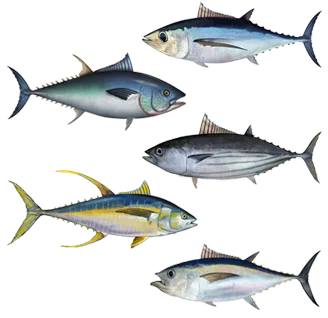
Mercury levels in tuna are not the same across the counter, and choosing tuna species is a real decision. Skipjack and other smaller tuna sit lower on the scale, while bluefin and other large tuna sit higher. Canned light tuna is generally made from smaller species than canned white or albacore tuna.
For anyone who eats tuna often, rotating species and formats keeps the exposure varied. Pregnant people, young children and anyone with a medical condition should get advice from a health professional about how much tuna fits their diet. A fishmonger can tell you which species a steak or can comes from.
Canned tuna: what is in the can
Canned tuna is cooked fish sealed in a can, and the label tells you most of what you need. Light tuna and white tuna come from different species and give different textures and flavors. The packing liquid, whether water, oil or brine, changes both the taste and the use.
Tuna in water is the leaner choice and suits salads and sandwiches where you add your own dressing. Tuna in oil is richer and more forgiving in pasta and warm dishes, and the oil can be drained or kept. Brine-packed tuna is salty, so taste before you season the dish.
Is canned tuna harmful? For most eaters, canned tuna is a safe and convenient food when it is part of a varied diet. The risks come from eating the same high-mercury species very often, from excess salt in brine-packed cans, and from added oil if you are watching calories. Reading the species and the packing liquid on the label answers most of the question.
Fresh steaks and loins
Tuna steaks are thick cross-sections cut from the loin, and they behave like a meat steak on the grill or in a pan. The flesh is dense and lean, so it sears well but turns dry if it is cooked through. A brief sear with a pink middle is the style many cooks aim for.
Fresh tuna should smell clean and sea-like, with firm flesh and no dull or brown patches along the edges. Ask the fishmonger when it arrived and how it was handled, because tuna spoils quickly once it leaves ice. Frozen loins are a sound option when the fresh case looks tired.
Loins and steaks from larger species carry more mercury than smaller ones, so they suit an occasional meal rather than a daily habit. Grilling, pan-searing and roasting all work, and a marinade with acid or oil helps keep the surface moist. Slice leftover cooked steak for salads the next day.
Matching tuna to the menu
Canned tuna and tuna steaks belong to different parts of a menu, and the choice shapes the dish. Canned tuna is a pantry ingredient for cold plates, sandwiches, pasta and baked dishes. Steaks and loins are the center of a hot plate, served with grains, greens or a sharp sauce.
A simple way to plan is to pick the format first, then the species, then the flavor direction. Light canned tuna takes bold dressings such as mustard, lemon and herbs. White canned tuna stands up to milder sauces, and a fresh steak wants little more than salt, pepper and heat.
Tuna also works in mixed seafood menus, where it can sit beside shrimp, squid or white fish. Keep the tuna dishes cold or briefly cooked so their lean texture stays distinct. A menu that uses both a can and a steak gets two different experiences from one fish.
Sustainability at the counter
Sustainability for tuna depends on the stock being fished and the method used to catch it. Some stocks are managed with quotas and limits, while others are under pressure from overfishing. The species and the fishery information on the label are the facts to compare.
Fishing method matters as much as the species, because some gear catches other marine life along with tuna. Pole-and-line and handline fishing tend to have less bycatch than large-scale longlining. Certification labels can help, but the stock and method behind the label are what count.
Ask the fishmonger which fishery the tuna came from and how it was caught. Choosing smaller species and varied sources spreads demand and supports better-managed fisheries. Sustainability is a moving target, so treat the label as a starting point rather than a promise.
Handling and cooking safely
Tuna is a perishable fish, and safe handling matters from the counter to the plate. Keep fresh tuna cold, use it promptly, and store it in the coldest part of the refrigerator if you are not cooking it right away. Thaw frozen tuna in the refrigerator, not on the counter.
Cooked tuna dishes should be cooled quickly and refrigerated, and leftovers should be reheated only if the dish suits it. Canned tuna, once opened, should be moved to a covered container and used within a short time. Raw tuna dishes need fish handled to a standard a home kitchen cannot verify, so leave those to trained specialists.
Cross-contamination is the quiet risk with any fish, so use a separate board and knife for raw tuna. Wash hands and surfaces after handling, and keep raw juices away from ready-to-eat food. A food thermometer helps confirm that a steak cooked through has reached a safe internal temperature.
Questions about tuna pros and cons
Is canned tuna harmful?
Canned tuna is not harmful for most eaters when it is part of a varied diet. The concern is mercury in larger species eaten very often, plus salt in brine-packed cans and added oil. Reading the species and packing liquid on the label lets you choose a can that fits your needs.
What are the benefits of tuna?
The benefits of tuna are lean protein, omega-3 fats and a set of vitamins and minerals such as selenium and B vitamins. Tuna is low in saturated fat and takes well to cold and hot dishes. The amount of omega-3 varies by species, so the label tells you more than the name alone.
Does canned tuna have the same mercury as fresh tuna?
Mercury levels in canned tuna depend on the species inside the can, not on whether the fish is fresh or canned. Light canned tuna is generally made from smaller species than white or albacore tuna. A fresh steak from a large species carries more mercury than a can of light tuna.
Which tuna species should I choose?
Choosing tuna species comes down to what you want from the dish and how often you eat it. Smaller species such as skipjack carry less mercury and suit frequent pantry use. Larger species give richer steaks but fit better as an occasional meal.
Is tuna in water better than tuna in oil?
Tuna in water is leaner and lets you control the dressing, while tuna in oil is richer and holds up in warm dishes. Neither is better in every case, because the right can depends on the recipe. Drain either one before mixing so the dish does not turn watery.
How do I cook a tuna steak without drying it out?
A tuna steak stays moist when it is seared briefly over high heat and left pink in the middle. Pat the surface dry, season it just before cooking, and turn it once. Rest the steak for a moment before slicing so the juices settle.