Moving Fish: What to Do With Them
A practical guide to moving live fish and transporting seafood between homes, covering containers, oxygen, temperature and food safety along the way.
Contents
- Plan the move before the day
- Choosing the right container for fish
- Oxygen and water on the road
- Catching and bagging without stress
- Transporting seafood for cooking
- Settling fish into the new tank
- When to call an aquarium specialist
- A checklist for the last hour
- Questions About Moving Fish
- What should I do with my fish when I move house?
- How do I transport fish between homes without harming them?
- Can I move live fish in bags?
- How should I transport seafood between homes?
- Should I feed fish before a move?
- Do I need a specialist to move a large aquarium?
Moving fish means keeping water, oxygen and temperature stable from the old home to the new one. Live aquarium fish travel in insulated containers with treated tank water, while seafood for cooking travels cold in ice. Each job has its own method, and mixing them up harms the fish or the food.
- Move aquarium fish in insulated containers of treated tank water, not in bags left in a hot car.
- Keep the filter media wet and aerated so the bacteria that clean the water survive the trip.
- Transport seafood for cooking at refrigerator temperature with plenty of ice and a thermometer.
- Set up and dechlorinate the new tank before you add fish, and float them to match temperature.
- Plan the trip around the fish: shorter is easier, and a specialist handles long or delicate moves.
Plan the move before the day
Moving fish goes smoothly when the plan starts days before the trip. Decide which fish travel live and which belong to the seafood cooler, then count the containers you need. A short trip of a few hours needs the same care as a long one, only with less water and less weight.
Collect the gear first: fish transport containers, a battery air pump, clean buckets, a net, and insulation. Ask the shop that sold the fish or an aquarium specialist about the species you keep, because some fish handle moving better than others. Water chemistry matters more than the size of the container for delicate species.
Set the new tank up before the old one is taken down, and treat the new water for chlorine. A tank that runs with a working filter and warm water is ready for fish; a tank filled the same hour is not. Removing decorations early gives fish fewer places to hide and makes catching them simpler.
Choosing the right container for fish
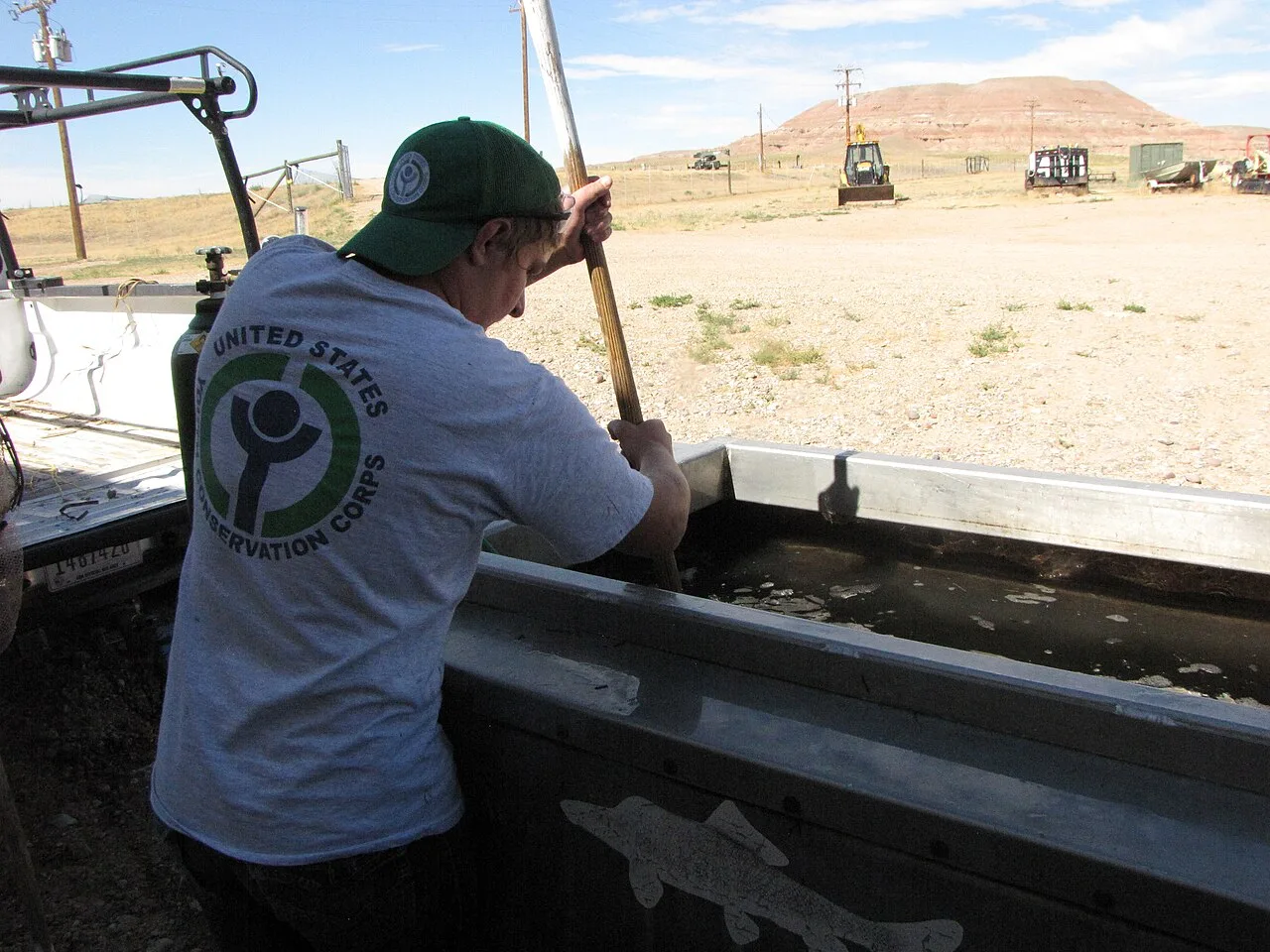
Fish transport containers are insulated boxes or sturdy buckets with lids, never glass. An insulated container holds water temperature steady while the car warms and cools. A bucket works for a short trip if it sits out of direct sun and inside a cooler.
Fill the container with water from the old tank, leaving air space above the surface. That old water carries the bacteria and chemistry the fish already know. Never fill a fish container with tap water that has not been treated.
Secure the lid so water cannot slosh out on a turn, but leave a way for air to enter. Small holes or a loose fit on a bucket give oxygen without letting a fish jump free. Pack the containers so they cannot slide or tip in the vehicle.
| Container | Good for | Watch out for |
|---|---|---|
| Insulated box | Longer trips and temperature swings | Heavy once filled with water |
| Plastic bucket with lid | Short trips and larger fish | Fast temperature change in sun |
| Double bag with air | Small fish and short hand carrying | Tears and no insulation |
| Battery air pump setup | Crowded or long trips | Needs fresh batteries |
Oxygen and water on the road
Transporting fish between homes tests the water faster than the tank does. Fish use oxygen and release waste, and a small volume of water fouls quickly. Keep the load light: fewer fish per container leaves more oxygen for each one.
A battery air pump with an airline and stone keeps water moving and aerated during the trip. Run it from the moment the fish go in, not only when the car starts. Pure oxygen from a supplier gives more headroom on a long haul, and an aquarium specialist can show you how to use it safely.
Do not feed fish on moving day, because food in the water becomes waste. Keep the containers out of direct sunlight and away from heaters. Check the water temperature at each stop and open the lid briefly if the water feels too warm.
Catching and bagging without stress
Catching fish for a move is the step that stresses them most. Use a soft net and move slowly, and lower the fish into the container rather than dropping it. Chasing a fish around the tank burns its energy and can injure it.
For small fish, double-bagging with tank water and air works for short carries. Tie each bag with space for air above the water and place it inside an insulated container. Bags without insulation lose heat quickly, so keep them out of the sun and off cold floors.
Leave the tank filter media in a bag of tank water during the move. That wet media keeps the bacteria alive, and the new tank needs them. Discard old tank water only after the fish are settled, since it can help seed the new setup.
Transporting seafood for cooking
Transporting seafood between homes is a cold-chain job, not an aquarium job. Fresh fish and shellfish belong in a cooler with ice, kept near refrigerator temperature until they reach a kitchen. A separate cooler from the live fish avoids cross-contamination and confusion.
Pack seafood in a leakproof container and set it on a bed of ice, with more ice on top. Drain melted water so the food does not sit in it. A thermometer in the cooler tells you whether the cold chain held at each stop.
Keep raw seafood away from cooked food and from anything you will eat without cooking. Wash hands, knives and boards after handling raw fish. If the cooler has warmed and the fish smells sharp, treat it as spoiled and discard it rather than risk illness.
Settling fish into the new tank
Setting fish into a new tank is a slow step that decides whether the move succeeds. Float the container in the tank so the water temperatures equalize, then add tank water a little at a time. Rushing this step shocks fish and can kill them.
Net the fish into the tank rather than pouring the travel water in with them. Travel water carries waste and possibly disease from the old setup. Turn the tank lights off for the first hours so the fish can settle in the dark.
Watch the new tank for the first days: check temperature, filter flow and how the fish behave. Do not feed heavily at first, and remove any uneaten food. A tank that clouds or smells wrong needs a partial water change and a check of the filter.
When to call an aquarium specialist
A specialist handles moves that involve large tanks, delicate species or long distances. Aquarium services exist for exactly this work, and they carry oxygen, insulated boxes and the experience to pack a whole tank. Doing it yourself is fine for a small setup and a short drive.
Large fish and saltwater setups need more than a bucket and a pump. A specialist can advise on oxygen levels, water chemistry and how to re-establish a filter after the move. The cost depends on the distance, the tank size and the stock, so ask before the day.
If any animal shows distress during the trip, stop and get advice rather than pushing on. A fish that is gasping at the surface needs fresh air or cooler water immediately. For seafood that has warmed, the safe answer is to discard it.
A checklist for the last hour
The last hour before leaving decides how much trouble the trip brings. Pack the live fish last so they spend the least time in containers, and load the seafood cooler first. Keep both away from the exhaust, the heater vents and direct sun.
Secure every container so it cannot tip, and keep a towel and a spare bag within reach. Carry the fish indoors at each stop rather than leaving them in a parked vehicle. A cool, shaded car is not a safe place for fish on a warm day.
At the new home, put the tank equipment together before opening the fish containers. The fish go in after the temperature matches. Seafood goes straight into the refrigerator or onto ice in the kitchen.
Questions About Moving Fish
What should I do with my fish when I move house?
Plan the fish move before the furniture. Put aquarium fish in insulated containers of treated tank water with a battery air pump, and keep seafood for cooking in a separate ice-filled cooler. Set up and treat the new tank before the fish arrive.
How do I transport fish between homes without harming them?
Transporting fish between homes works when water, oxygen and temperature stay steady. Use an insulated container, keep the load light, aerate with a battery pump and avoid direct sun. Float the container in the new tank before release so the temperatures match.
Can I move live fish in bags?
Yes, small fish can travel in double bags of tank water with air for a short carry. Bags give no insulation, so place them inside an insulated container and keep them out of sun and cold. A bucket or box suits larger fish better.
How should I transport seafood between homes?
Transporting seafood between homes is a cold-chain job. Pack it leakproof on a bed of ice in a cooler, drain meltwater and keep a thermometer inside. Discard any seafood that has warmed or smells sharp.
Should I feed fish before a move?
No, skip feeding on moving day. Food left in travel water turns into waste and uses up oxygen. Feed lightly once the fish are settled in the new tank and the filter is running.
Do I need a specialist to move a large aquarium?
Yes, a large tank, delicate species or a long distance calls for an aquarium specialist. They carry oxygen, insulated boxes and the knowledge to rebuild a filter afterward. A small tank and a short drive can be handled on your own.