Best Oysters for Beginners
A plain guide to oysters for beginners: which mild varieties to start with, how flavor profiles differ by region, and how to serve and chew them.
Contents
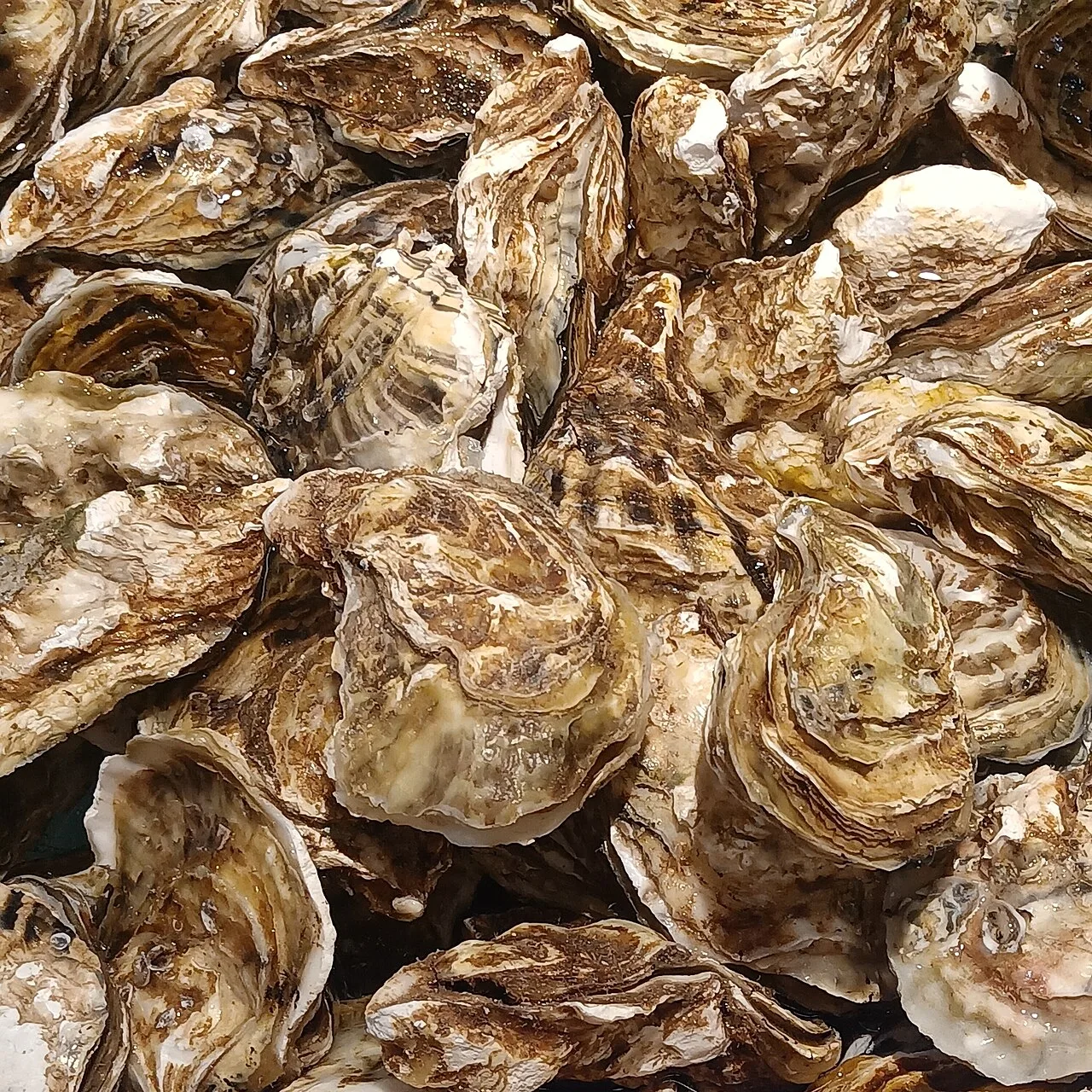
The best oysters for beginners are mild, clean-tasting varieties served simply, so the first experience shows the oyster rather than a heavy sauce. A beginner can choose a mild oyster by asking about its flavor profile and its growing region, then tasting it raw with only lemon or a light mignonette. This page explains oyster varieties, regional differences, and the order in which to taste a mixed plate.
Start with mild oyster varieties
Mild oysters give a beginner a clean first taste of the sea without a strong mineral or metallic finish. Eastern oysters from cooler water tend to taste mild and slightly sweet, while Pacific varieties can bring a sharper, more vegetal note. Ask the person at the seafood counter which oysters on display have the mildest flavor, and let that answer guide the first plate.
How regional oysters taste
The growing region shapes an oyster more than the species name alone, because water temperature and salinity feed the flavor. Oysters raised in cold, salty water taste crisp and briny, and those from warmer, fresher water taste softer and sweeter. Regional oysters carry the character of their home water, so a beginner can compare two regions side by side to learn oyster flavor profiles quickly.
Serving and tasting a first plate
Serve beginners a small plate of oysters on crushed ice with lemon wedges and a mild mignonette of vinegar and shallot. A simple garnish lets the oyster flavor come through, and a heavy sauce hides what the taster is trying to learn. Chew the first oyster rather than swallowing it whole, so the sweetness and the finish both register. Raw oysters carry a risk for people with a weakened immune system, so a doctor's advice matters before a first taste.
Oyster Questions for Beginners
Which oysters should a beginner try first?
A beginner should try a mild oyster with a clean, slightly sweet finish before moving to brinier types. Eastern oysters from cooler water suit a first taste, and the person at the counter can point to the mildest option that day. Tasting one oyster at a time teaches more than ordering a large mixed plate.
Do beginners need to chew oysters?
Yes, a beginner should chew an oyster instead of swallowing it whole. Chewing releases the sweetness and the finish, and it lets the taster notice how the flavor changes across the bite. A chewed oyster also feels less slippery for someone new to the texture.
What makes some oysters taste briny and others sweet?
The growing water makes an oyster taste briny or sweet, because salinity and temperature feed the flavor. Cold, salty water produces a crisp and briny oyster, and warmer, fresher water produces a softer and sweeter one. Regional oysters therefore differ even when they belong to the same species.
How should a beginner serve oysters at home?
A beginner should serve raw oysters very cold, on crushed ice, with lemon and a light vinegar mignonette. A simple garnish keeps the focus on the oyster flavor, and it lets each guest taste the variety plainly. Shucking oysters takes skill and a proper knife, so a beginner can ask the seafood counter to open them.
Read next
-
 How to Shuck Oysters: A Step-by-Step Guide
-
 How to Eat Oysters for Beginners
-
 How to Open and Shuck Oysters for Beginners
-
 Canned Oyster Recipes: Easy Ideas from Pantry to Table
-
 Raw Oyster Recipes and Serving Ideas
-
 Baked Oyster Recipes: From Seafood Counter to a Table Worth Gathering Around
-
 Grilled Oyster Recipes: A Complete Guide to Barbecued Oysters on the Half Shell
-
 Asian-Inspired Oyster Recipes: Ginger, Scallions, Soy and Beyond
-
 Fried Oyster Recipes: Crispy, Golden, and Delicious
-
 New Orleans-Style Baked Oysters




